

April 22, 2026
Meet the team turning NAV CANADA's net-zero ambitions into action. From Canada's first LEED-certified air traffic control tower to electric vehicle pilots and indigenous plant restoration.
In honour of Earth Day 2026, we are pleased to highlight the work of NAV CANADA’s Climate Action and Environmental Working Group. Made up of dedicated team members from across the organization, this group has spent the past two years developing NAV CANADA’s Climate Action and Environment Strategy. Serving as a roadmap, the strategy outlines the company’s approach to enhancing environmental sustainability and reducing greenhouse gas (GHG) emissions across our operations and the broader aviation sector in Canada. It translated ambitions into measurable, day-to-day actions supported by our processes and practices.
NAV CANADA joined the United Nations (UN) Global CompactOpen a new window in 2022, committing to operate with greater accountability and transparency in support of global sustainability goals. That same year, NAV CANADA completed its first ESG (Environment, Social, and Governance) materiality assessment to identify the areas we can make the biggest impact.
Addressing the company’s environmental impact is at the core of how the working group thinks about the future of aviation and NAV CANADA’s role within it. Through regular collaboration, knowledge-sharing, and a focus on practical solutions, the working group is helping embed sustainability in the way we work, make decisions, and move forward as a company. The results of these efforts reflect the complexity of the challenge and the collective commitment to addressing it.
What does our progress look like in practice? Over the past year, a number of key initiatives have taken shape, each contributing to NAV CANADA’s broader goals. Here’s a look at a few of the ongoing projects.
From the Facilities department, a new approach to landscaping is taking root, with an eye to sustainability, beautification, and creating usable outdoor workspaces. Jonathan King, National Manager, Facilities Strategy at NAV CANADA, is leading the development of the company’s first Natural Landscaping Guide, a resource that will shape how sites across the country are designed and maintained. “The guide is about restoring indigenous plant environments, cutting emissions from maintenance, and making our sites better places for people and wildlife,” he explains. “For a non‑profit like NAV CANADA, this is a win on all fronts: these outdoor spaces will cost less to maintain in the long run, are better for the environment, and give employees something they can really value.”
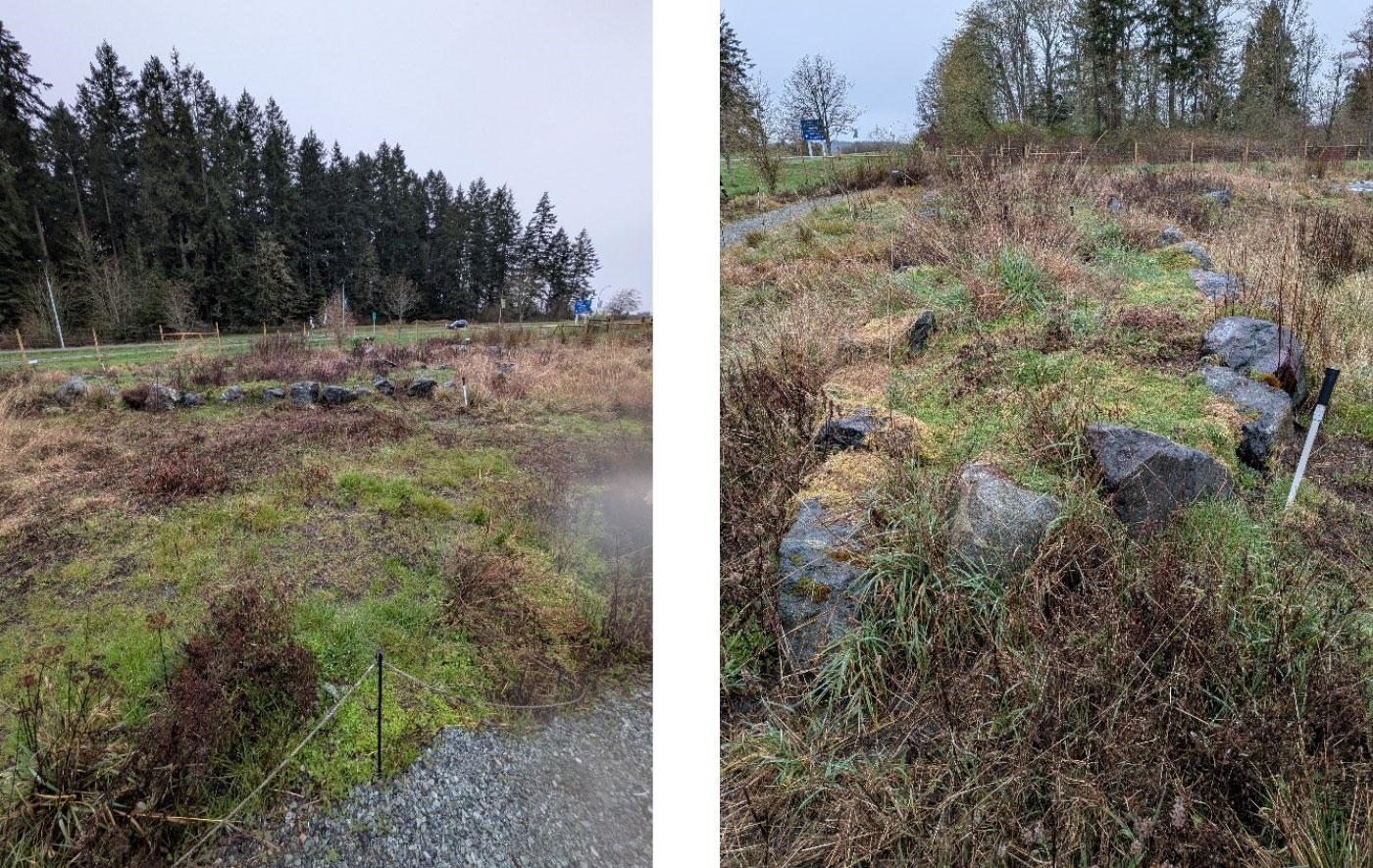
“We have already seen these ideas put into practice through the work we’ve done around the construction of the new Victoria Airport Control Tower,” says King. NAV CANADA’s first LEED (Leadership in Energy and Environmental Design) certified tower will be powered by green power from BC Hydro to operate with minimal GHG emissions. The goal of this project isn’t to ensure just the tower is sustainable, but also the land surrounding it. “We want to restore the land to what it would have been before settlers arrived,” says King. “As such, in collaboration with the Victoria Airport Authorities, we are incorporating indigenous bushes, natural grasses, and wildflowers to restore Garry Oak Meadow in the tower’s landscaping.” The results of this project are already being realized and will be used to guide other projects across the organization.
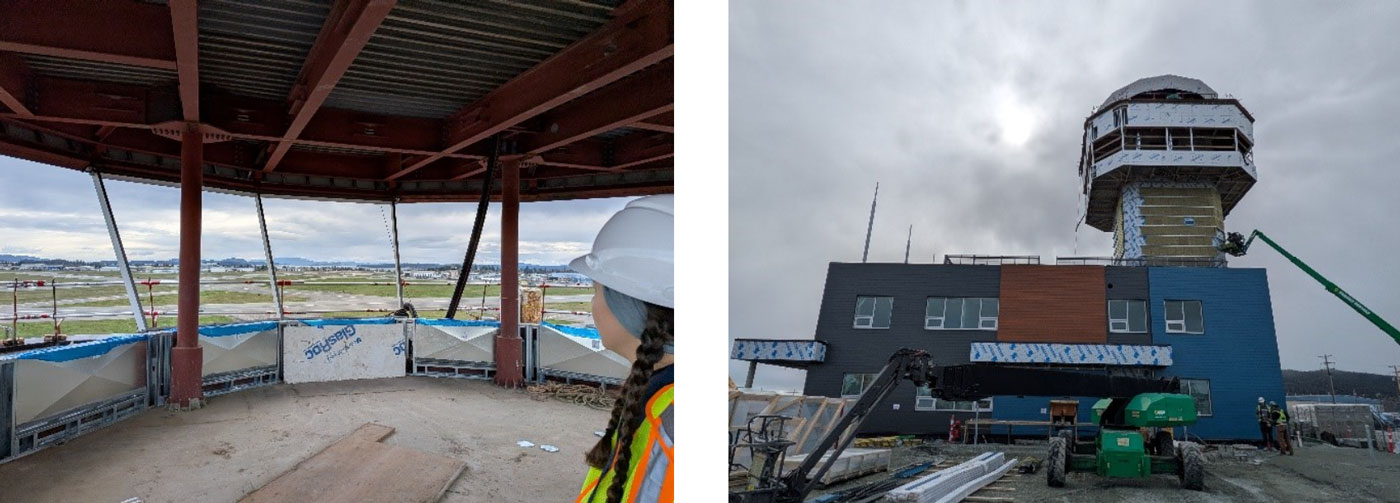
Of equal importance, NAV CANADA has also introduced a new Smart Buildings Guide to support future facility planning. Smart buildings use technologies like automated lighting and occupancy sensors to improve energy efficiency, anticipate maintenance needs, and enhance comfort for the people using the space. Both guides are part of NAV CANADA’s broader climate and environment strategy, supporting our net‑zero emissions ambitions and making our facilities more resilient and people‑centred.
With a fleet of nearly 200 vehicles, NAV CANADA is taking concrete steps to reduce emissions and make its operations more sustainable. This year marks an important step as we begin piloting electric vehicles (EVs) in real‑world conditions. “The goal is to understand where EVs are the right fit, based on how our vehicles are actually used, and to build a more sustainable fleet over time,” explains Serge Gauthier, NAV CANADA’s National Fleet Coordinator.
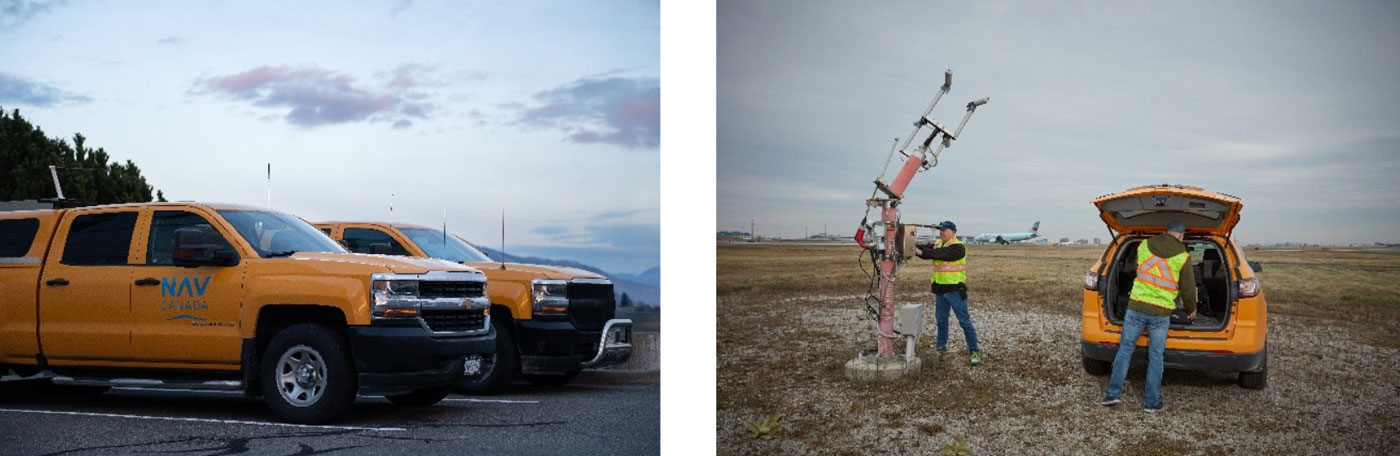
“Telematics is giving us the data we need to make smarter decisions about electrification,” he adds. “By understanding trip patterns, usage, and location, we can identify which vehicles are strong candidates for EV replacement, and where charging infrastructure makes that possible.”
This pilot project will kick off this summer, with EVs being added deployed to Technical Services teams in select regions across Canada. “EVs are a key part of reducing our emissions, but they have to work for the realities of our operations,” says Gauthier. “In some regions, particularly in northern or remote locations, charging access is still a challenge, so we’re taking a measured, data‑driven approach.” The first rollout will help the team evaluate performance, range, and operational fit before expanding further.

Rendering of the NAV CANADA electric vehicle for illustration purposes only. Depiction may not represent the actual vehicles selected for pilot.
“In a commercial fleet like ours, we rely heavily on pickup trucks and crossover vehicles,” he notes. “While the EV market is evolving, there are still limited options in these categories, so part of this pilot is understanding what works today and where we will need to adapt.”
The overall goal of this pilot is straightforward: to reduce emissions and create a more sustainable fleet. “For us, it’s about making incremental improvements that add up over time,” says Gauthier. “While EVs are a major focus, we’re also exploring plug‑in hybrids, which may be a better fit in certain situations. The goal is to find the right balance between operational needs and emissions reduction.”
The work highlighted here represents just a portion of what NAV CANADA's Climate Action and Environmental Working Group has set in motion. From restoring native ecosystems to piloting the vehicles that will shape our fleet for years to come, these efforts reflect something bigger than any single project. As our strategy continues to take shape, the progress made today will serve as the foundation for what comes next.
To learn more about NAV CANADA’s environmental priorities and commitment to sustainability, visit our Sustainability page.