

November 19, 2019
November 20, 2019 marks the implementation of the new flight service specialist runway determination – allowing flight service specialists to determine runway with more clear and concise phraseology. This change will take effect only at flight service stations and remote advisory services equipped with direct wind reading instruments located at the aerodrome.
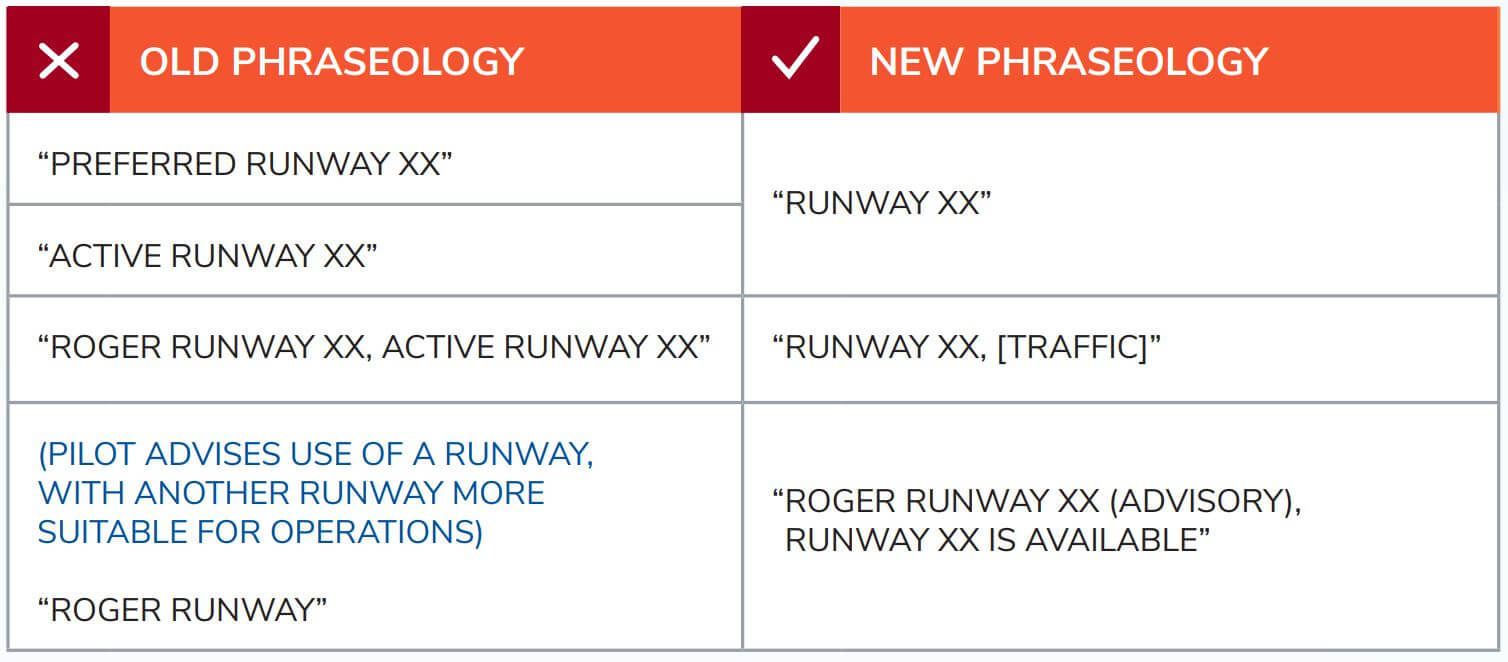
Flight service specialists at these sites will now be using a new phraseology when providing pilots with aerodrome advisories. Instead of providing pilots with “preferred” or “active” runways, or a combination of different runways, pilots will be informed of the determined runway and any other pertinent traffic and will simply hear “runway.”
“Offering two or more types of runways on initial advisory was identified as confusing for some pilots, especially for student pilots or pilots unfamiliar with an aerodrome,” says Vanessa Robertson, NAV CANADA, National Manager, ATS Operational Procedures and Proficiency Standards.
Criteria for runway determination
Notwithstanding that at uncontrolled airports the pilot remains responsible for selecting a runway for use (as per Canadian Aviation Regulations), the flight service specialist will make runway determinations based on wind but also criteria like current traffic patterns, runway usage and potential airport hazards.

It's all about safety
This is expected to reduce runway incidents and incursions in the interest of aviation safety. Flight service specialists have always maintained a complete picture of the traffic situation at their aerodrome and use this knowledge in determining runways, reducing conflicts and increasing safety. It is also expected that this clear and concise phraseology will increase pilot adherence to the requirement to conform to or avoid traffic patterns.
An aeronautical information circular has been published on the NAV CANADA website to officially communicate the change to pilots.