
May 24, 2022
Tower: ABCE, Cleared to land.
C-ABCH: ABCH, cleared to land.
C-ABCE: [I thought that was meant for me, but I guess not]
Tower: ABCH, negative. That was not for you. ABCE, you are cleared to land.
C-ABCE: ABCE, cleared to land.
Miscommunications between air traffic services (ATS) and pilots can, and do, happen every day across the country, but the good news is that the vast majority are corrected without incident.
The above example—a one letter difference—is a small but easy mistake to make; and one that, if not caught and corrected, could have devastating implications.
Our national focus
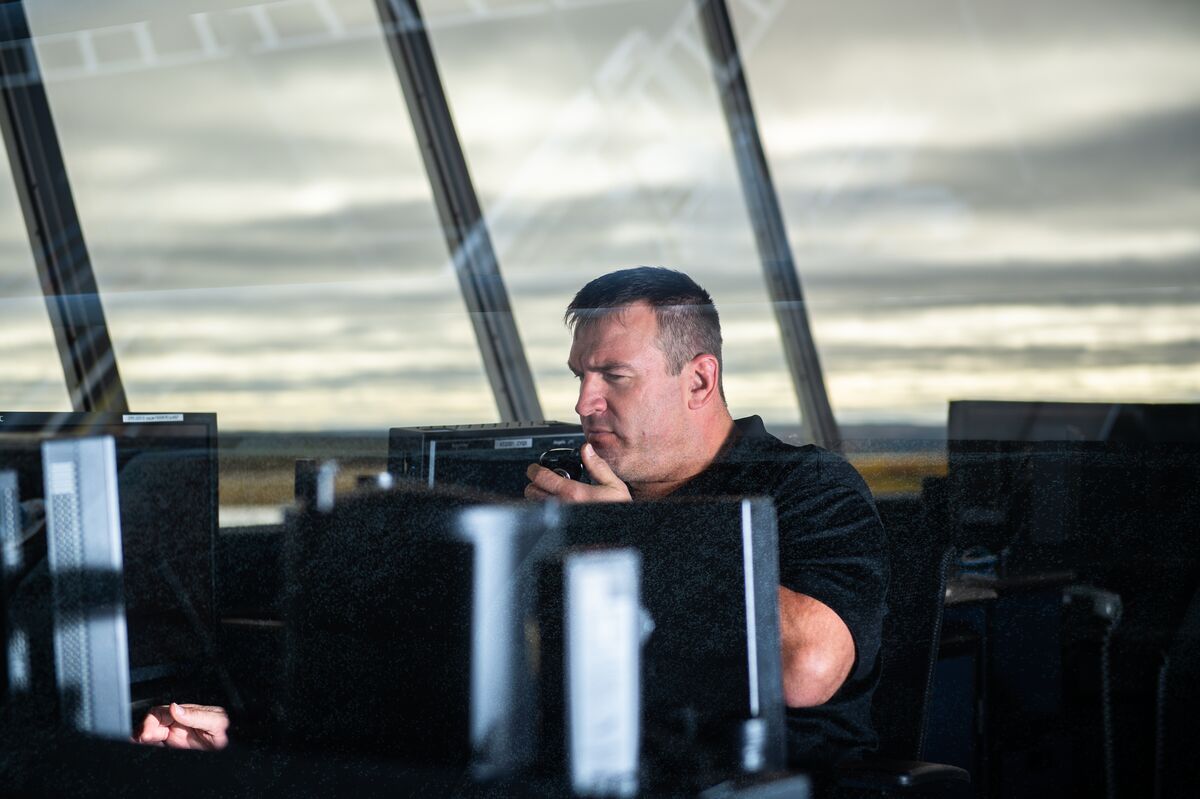
Miscommunications between ATS and student / general aviation (GA) pilots, including pilots whose second language is English, is a top operational safety risk for NAV CANADA and one the Company is actively working to reduce.
Communication between ATS and pilots is one of the last lines of defense in preventing a critical incident.
While the risk of miscommunications is not one we can fully control or completely resolve, NAV CANADA is a key stakeholder in its mitigation. So how do we find solutions to an issue that will always be present?
Defining the issue
It’s important for us to fully define and understand the issue at hand. By working alongside industry partners and regularly monitoring the risk through annual safety planning activities, we have made strides through:
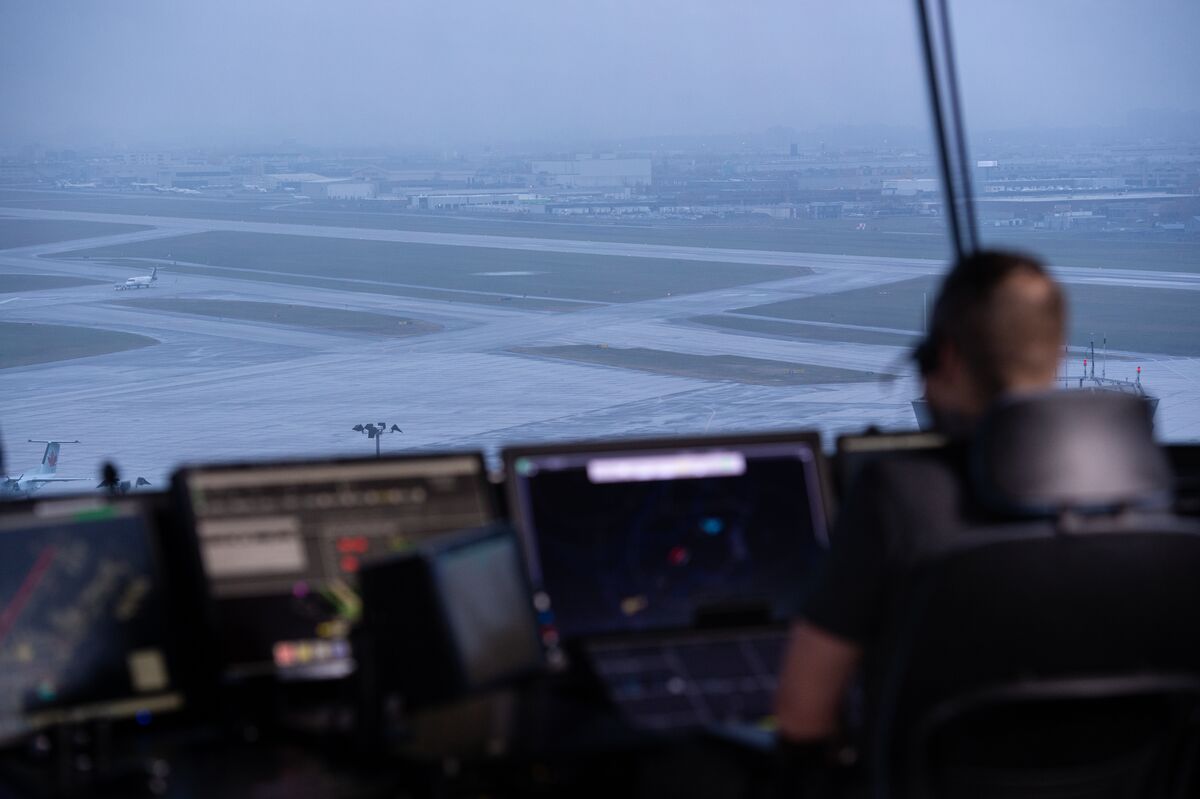
“NAV CANADA has a strong and well-established Safety Management System (SMS), and that’s helping us to mitigate the errors. I think we’re doing a pretty good job of that,” says John AuCoin, Unit Operations Specialist at Fredericton Tower and a former flight instructor who has been at the tower for seven years.
“Aviation is a team sport,” says AuCoin. “We all have different roles to play, but we’re all on the same team. On the radio, we have to make sure everyone is on the same page, and that requires strong communication skills.”
“When we get busy, our rate of speech tends to increase, and we tend to give multiple instructions all at once. That’s when key information can get missed,” notes AuCoin.
As for student, he notes that inexperience often leads to apprehension, and a reticence to ask for clarification when they are unsure what the ATS professional is asking them to do.
While inexperience and English as a second language certainly add to the challenge, miscommunications can happen between even the most experienced professionals. Some of the top errors or contributing hazards to the risk include:
“The lesser experienced the pilot, the more room we will give them,” says AuCoin. “We’re not going to rush them. We’re going to give them more space and more time because we know the limitations that come with a lack of experience.”
Working together in this way provides additional levels of defense to help further mitigate the risk. The mitigations in place in Fredericton are just some of the many examples used across Canada to ensure the safety of our skies.
.jpeg)
Mitigating the risk
As noted, aviation is a team sport, and NAV CANADA’s stakeholders and customers play an equally important role in helping to mitigate this risk.
Here are a few ways pilots and NAV CANADA can work together to keep Canada’s skies safe:
With a concerted effort on the part of everyone within the aviation community, we can reduce miscommunications and enhance the safety of our skies.